
The Anatomy of a Viral Token
The memecoin ecosystem on Solana moves faster than any traditional financial market in history. What distinguishes a token that dies in the bonding curve from one that achieves multi-million dollar velocity?
1. High Velocity Narrative Alignment
Viral tokens do not create attention from scratch — they hijack existing momentum. When an influential figure tweets or an internet trend catches fire, algorithmic snipers and retail liquidity rush toward the first recognizable ticker.
Cryptonim's narrative intelligence scans X (Twitter), DexScreener, and trending on-chain contracts within milliseconds, proposing tokens matched to live hype cycles before manual devs can even create an image asset.
2. Organic Wallet Distribution and Anti-Sniper Defense
When retail traders inspect a new token on DexScreener or Photon, the first thing they check is the holder bubble map. If a single developer wallet holds 70% of supply, trust collapses instantly.
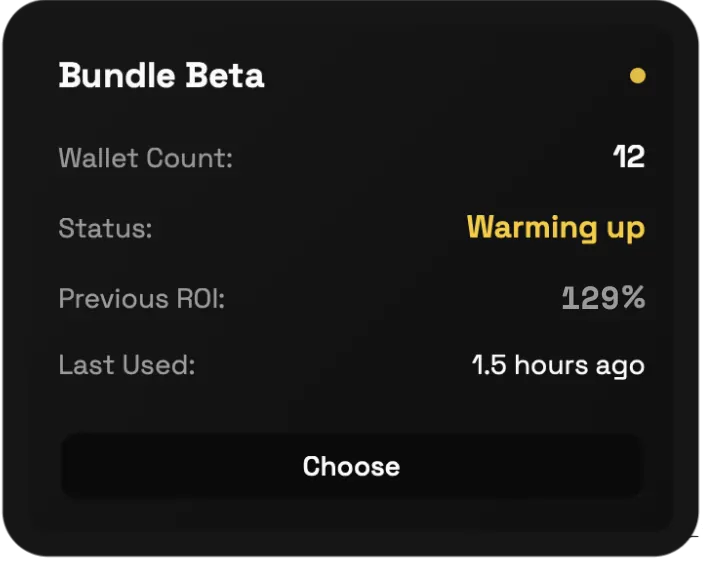
Using pre-warmed wallet bundling, Cryptonim disperses initial liquidity across 15 to 40 distinct, history-rich addresses. To analytical tools, the launch appears 100% decentralized and organic, inviting aggressive retail FOMO.
3. Dynamic Slippage & Liquidity Control
Price volatility during the first 60 seconds dictates the entire trajectory. Setting dynamic liquidity bands prevents front-running bots from draining the pool while allowing steady, healthy upward price action.
4. Timed Algorithmic Exits
The ultimate trap for token creators is overstaying the pump. A viral token's lifecycle has distinct stages:
- Accumulation & Seeding (0–60s)
- Retail Acceleration (1–5m)
- Peak Liquidity Window (5–15m)
- Distribution & Exit
Cryptonim AI calculates real-time depth and executes multi-wallet exits across private MEV RPCs, capturing maximum SOL without crashing the chart in a single red candle.