
Cryptonim AI Transforms the Future of Cryptocurrency with Advanced Solutions and Insights
Investors seeking precision should integrate advanced machine learning tools that analyze market signals and forecast price movements. By using AI-driven analytics, participants can make informed decisions backed by real-time data, mitigating inherent risks synonymous with conventional trading practices.
Using advanced algorithms, these technologies continuously sift through vast amounts of market information, identifying patterns and trends that elude traditional analysis. This capability not only enhances strategy formulation but also allows traders to adapt swiftly to fluctuations, staying ahead of potential downturns.
It's advisable to consider platforms that offer personalized insights based on individual trading behavior, so users can optimize their portfolio management. By implementing such tailored solutions, participants can cultivate an agile trading style that responds dynamically to market shifts.
Understanding Cryptonim AI Technology
This AI tool employs machine learning algorithms to analyze market trends in real-time. By processing vast datasets, it identifies patterns that often go unnoticed by human traders. Using sentiment analysis from social media and news sources, the system provides insights into potential price movements.
Users benefit from customized trading strategies tailored to individual risk profiles. The platform allows for backtesting, so traders can evaluate how specific strategies would have performed under varying market conditions. Using predictive analytics, the AI forecasts potential market shifts, enhancing decision-making processes.
Security protocols ensure that data is protected against unauthorized access, while multi-factor authentication enhances user safety. The integration of blockchain technology offers transparency and trust in transactions, appealing to both novice and seasoned investors.
Regular updates refine algorithms based on new data, ensuring adaptability to market fluctuations. By implementing advanced visualization tools, it simplifies complex data, letting users grasp insights intuitively. This combination of technology and user-centric design sets a new standard in the trading ecosystem.
What Algorithms Fuel Cryptonim AI?
Use machine learning models, notably decision trees and gradient boosting, for precise market analysis and forecasting. These algorithms excel in identifying patterns from historical data, granting traders a significant edge.
Incorporate neural networks to adaptively learn from vast datasets. By using deep learning techniques, the system enhances its predictive capabilities, continuously improving accuracy over time.
Implement clustering algorithms such as K-means for segmenting market behaviors. This allows traders to target specific cryptocurrencies showing similar traits, aiding in strategic decision-making.
Adopt natural language processing (NLP) for sentiment analysis from news and social media. Understanding market sentiment is crucial, as it directly impacts price fluctuations.
Use reinforcement learning to refine trading strategies. This approach enables the system to learn from past actions, optimizing future trades based on feedback from previous outcomes.
Integrate time series forecasting methods to predict price movements accurately. Techniques like ARIMA (AutoRegressive Integrated Moving Average) provide historical insights that are vital for making informed decisions.
Employ anomaly detection algorithms to identify unusual market activities. These mechanisms enable early detection of market manipulation or emerging trends, facilitating a proactive response.
Combine ensemble learning techniques, such as stacking and bagging, to enhance prediction robustness. This multi-faceted approach aggregates predictions from various models for improved reliability.
Incorporate backtesting frameworks to evaluate trading strategies against historical data. This practice ensures that proposed models are thoroughly validated before deployment in live environments.
Machine Learning Boosts Trading Choices
Incorporating algorithms into trading methods significantly sharpens investment strategies. Sophisticated models analyze historical data, identifying patterns that may elude traditional analysis. Implementing these technologies enables traders to make informed decisions, minimizing risks.
Key advantages include:
- Predictive Analytics: Algorithms assess trends and price movements, forecasting potential future outcomes. This enables traders to anticipate market fluctuations effectively.
- Sentiment Analysis: By processing social media and news sentiment, models gauge public perception, letting traders align their strategies with market mood.
- Backtesting: Strategies can be evaluated against historical data, refining approaches before actual trading, thereby increasing success rates.
- Real-Time Data Processing: Machine learning algorithms continuously analyze live data, adapting strategies instantaneously to use current trends.
Adopting these methodologies provides a competitive edge in financial operations. For optimal performance, regularly update models with new data and maintain an agile approach to strategy adjustments based on evolving patterns. This dynamic framework not only improves accuracy but also enhances decision-making processes significantly.
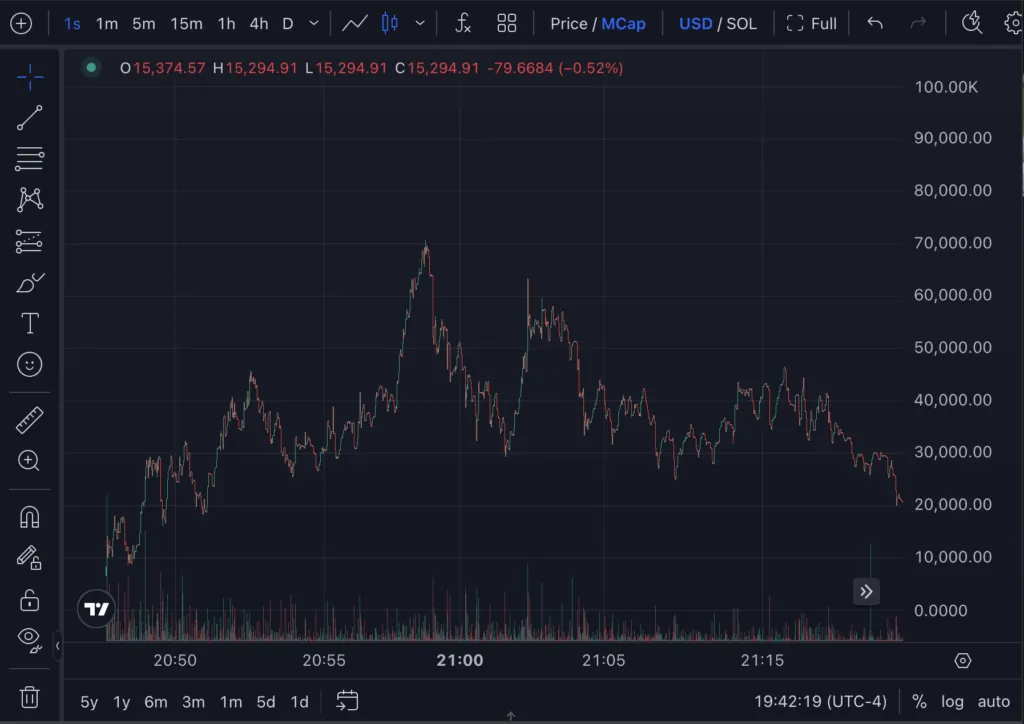
Real-Time Market Analysis with Cryptonim AI
Use advanced algorithms for live data assessment, focusing on price fluctuations and trading volumes to enhance investment strategies. Implement predictive analytics to anticipate short-term market movements, allowing for timely entry and exit points. Use sentiment analysis tools to gauge trader emotions across social media platforms; this insight can drive decisions on asset allocation.
Integrate alerts for significant price changes or volume spikes, ensuring that opportunities are seized instantly. Monitor key performance indicators in real-time to adapt strategies accordingly. Employ cross-analysis of multiple cryptocurrencies, identifying correlations that can inform trading tactics.
Use machine learning techniques to refine models based on historical data, increasing accuracy in future predictions. Regularly update the parameters of the algorithm to account for shifting trends, regulatory impacts, or technological advancements. Prioritize platforms that offer complete data feeds to enhance analytical capabilities.
Consider using visualization tools to present data effectively, making complex information more accessible. Continuous evaluation of performance metrics will identify what strategies yield the best results, allowing for iterative improvements to methods applied. Align investment decisions with predictive insights derived from aggregated market data to maximize understanding and engagement.